
How to Encourage Independent Play in Toddlers
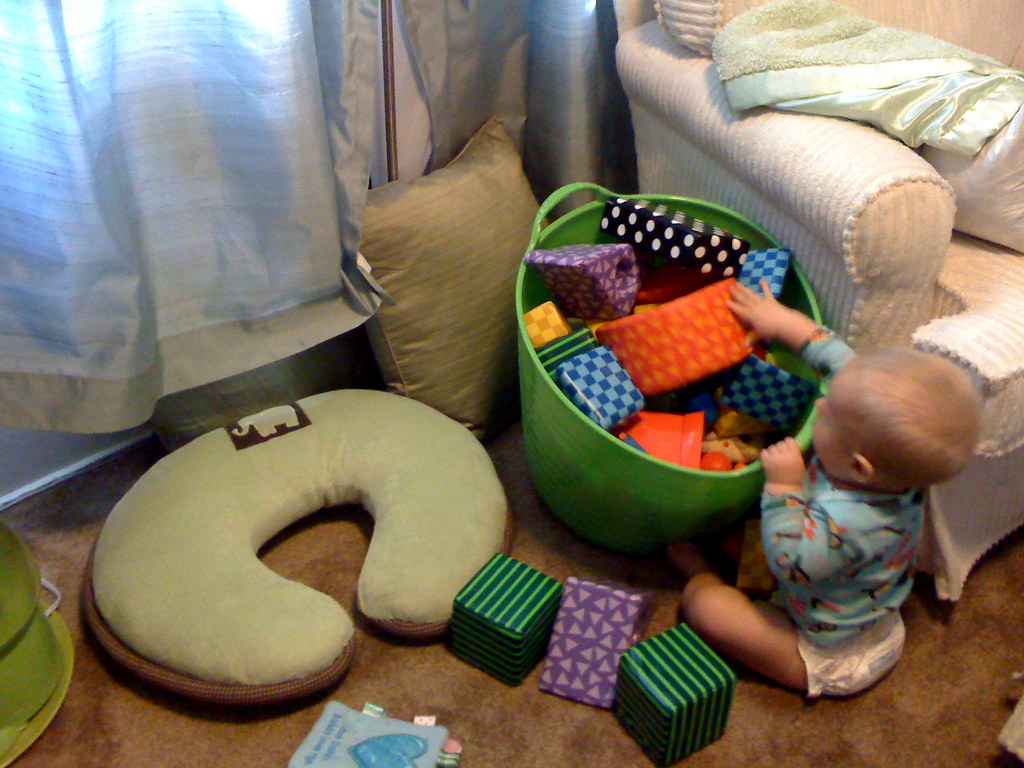
You can encourage independent play by starting with play together, then shifting to a nearby task while your toddler keeps playing. The goal is to offer your child room to explore—not to leave them unsupported or expect them to play for a set amount of time.
Keep the change gentle: begin by sharing a game, then let your attention move naturally to something close by, such as sorting mail at the table beside the play area. If your toddler looks for you, you can answer and reconnect; independent play does not have to mean being out of reach.
Small adjustments can make the transition feel easier. You might make play materials simple to access, choose a calm spot where you can stay close, and practice in brief stretches that grow gradually as your toddler gets comfortable. The aim is a flexible rhythm that works for both of you, not a test your child has to pass. For a closer look, read How to Stay Present During Pretend Play.
Set up a play space that invites your toddler in
Choose a safe, familiar play area and keep the setup simple so your toddler can spot and reach things to explore. You can make the space inviting without buying special equipment: a clear floor area and a few toys you already own can be enough.
Pick a place where you can stay nearby and keep an eye on your toddler. A familiar corner of the living room, for example, may feel more approachable than a space your child rarely uses. Check that the area is safe for the toys and materials you set out, and place them where your toddler can reach them.
Offer a small selection of simple toys or open-ended materials, such as blocks, chunky crayons with paper, or a few play dishes. Keeping items accessible lets your toddler choose what catches their interest without needing you to hand over each object. You do not need a special play table or a perfectly styled room to create a useful play spot.
If the toy area feels crowded or your toddler seems distracted by the choices, try putting some items away and rotating what is available. For instance, leave out blocks and toy animals this week, then swap in play dishes later. Treat rotation as an option to test—not a rule every family needs to follow.
A simple setup can also make tidying easier: use a low basket or shelf for the toys you have chosen, and keep the rest out of sight for now. Before you begin, check for damaged items or small parts that are not appropriate for your toddler. The aim is a space your child can explore comfortably while you remain close by.
Build independent play in small steps
Give your toddler your attention first. Set aside distractions and join the play rather than trying to multitask. For example, put your phone away and follow your child’s lead as they stack blocks or pretend to feed a stuffed animal. This shared time can help make the shift to playing on their own feel more gradual. [1]
Say what you’re doing, then move to a nearby task. When your toddler is absorbed, let them know you’re going to do something close by, such as sorting laundry at the same table. Stay within reach and visible so the change is clear; you’re stepping back from directing the play, not vanishing.
Leave room for your toddler to decide what happens next. Resist the urge to suggest the next block, toy, or pretend-play idea when your child pauses. Give them a moment to look around, repeat an action, or come up with a new use for what they’re playing with. A quiet pause does not always mean they need you to take over.
Reconnect warmly if your toddler comes looking for you. Answer them and offer the connection they’re asking for, rather than treating the interruption as a setback. You might sit with them briefly, help them get started again, and then return to your nearby task when they seem ready. There is no need to push them back into play before they are comfortable.
Practice in short windows and build at your child’s pace. Repeat the same gentle pattern: play together, explain your next step, and give your toddler room to continue. If they’re content, you can let that stretch last a little longer next time; if they want you back sooner, respond and try another brief window later. Gradual practice, rather than a fixed target, keeps the routine responsive to your toddler’s comfort. [2]
Fit solo play into ordinary family routines
Everyday routines can give your toddler a chance to play while you stay close and get a small task done. Choose something you can do nearby, such as folding laundry in the same room, rather than treating play as a separate activity that needs a special schedule. [2]
Pair a simple task with play
Before you start, make sure your toddler is settled in the play area and that you can keep an eye on them as you work. You might fold a few shirts beside the play space, sort socks at the nearby table, or wipe down a counter where you can still see your child. These are practical examples of choosing a nearby task, not a test of how much laundry or housework you finish.
Keep your attention available while you do the task. If your toddler wants to show you what they are doing, take a moment to respond; then, if they return to play, you can pick up where you left off. The aim is to fit play into the rhythm of your day, not to make your child responsible for keeping busy while you work.
Offer a choice when it fits
You can sometimes invite your toddler to join an everyday task or keep playing. For example, ask, “Would you like to help me match the socks, or keep playing with your blocks?” Involving a child in your work and offering the option of work or play are practical approaches to try. [3] For the next step, see How to Pretend Play With Your Toddler.
Keep the invitation easy to decline. If your toddler chooses play, let them continue; if they want to help, offer a small, safe part of the task that suits them. You do not need to turn every household job into an activity together.
Let the routine stay flexible
A short, predictable play window may fit your household: for example, your toddler plays while you prepare a snack or fold a few items. A nearby task and a short scheduled play window are suggestions you can adapt to your day. [2]
Follow your toddler’s interest rather than treating the window like a timer they must complete. Some days, a routine task may line up well with play; on others, your child may want company sooner. Adjusting the plan keeps the routine practical for both of you.
What can make independent play harder?
Independent play can feel harder when you expect too much too soon, step in while your toddler is absorbed, or treat a request for connection as a setback. A few gentle adjustments can help you respond without turning play into a test your child has to pass.
Expecting a long stretch right away
A toddler who is used to frequent interaction may not switch straight to playing alone for a long time. If you expect that jump, it can be easy to feel discouraged when your child looks for you after a short while. Think of the first attempts as practice, not a measure of whether your toddler can play independently.
For example, if your child asks you to join after building a few blocks, you can acknowledge them warmly rather than deciding the play has failed. Your child’s interest and comfort can guide what comes next; a quiet moment or a short play spell still counts as an opportunity to play.
Interrupting play that is already working
When your toddler is safely occupied, frequent suggestions or hands-on help can pull them away from their own idea. You might be tempted to show them how to stack the blocks or ask what they are making, but pausing gives them room to continue in their own way. Save your input for when they invite you in or need help.
Adding more when the space feels busy
If your child seems unsure what to do, adding toys, instructions, or questions may make the choice feel bigger rather than clearer. Try simplifying: put a few things aside, then give your toddler a moment to notice what remains. For instance, if they are moving between several toys without settling, a quieter selection may feel easier to approach.
Seeing a request as connection, not failure
A call for you does not mean you have done something wrong or that independent play is out of reach. Respond to your toddler’s bid for connection; you can be warm and present without taking charge of every part of the play. A reassuring response can help your child feel supported, even if they are not ready to continue playing on their own right then.
How to encourage independent play
The table shows gentle steps you can use to help your toddler play independently while you stay nearby.
Step | What you can do |
|---|---|
Start together | Join your toddler’s play and give them your attention. |
Shift to a nearby task | Explain what you’re doing, then move to a task where you can stay visible and within reach. |
Leave room to explore | Pause before suggesting what your toddler should do next. |
Reconnect when asked | Respond warmly if your toddler looks for you, then let them decide when to return to play. |
Practice gradually | Begin with brief play windows and adjust to your toddler’s comfort. |
Frequently Asked Questions
How do I start encouraging independent play with my toddler?
Start by joining your toddler’s play and giving them your attention. When they seem absorbed, explain that you’re moving to a nearby task, then step back while staying visible and within reach. Pause before suggesting what to do next, and reconnect warmly if your toddler looks for you.
What toys should I set out for independent play?
Choose a few simple, accessible toys or open-ended materials your toddler can reach, such as blocks, chunky crayons with paper, or play dishes. Use a safe, familiar space where you can keep an eye on your child. If the area feels crowded, put some items away and try rotating the selection.
How long should I expect my toddler to play independently?
Begin with brief play windows rather than expecting a long stretch right away. If your toddler is content, let the next opportunity last a little longer; if they want you sooner, respond and try again later. Follow your child’s comfort instead of treating play as a timed test.
What should I do if my toddler asks me to join while playing?
Respond warmly when your toddler looks for you; treat the request as a bid for connection, not a setback. You can sit with them briefly or help them get started again. When they seem ready, return to your nearby task and leave room for them to choose whether to continue playing.
Can I encourage independent play while doing household tasks?
Yes. Settle your toddler in a safe play area where you can see them, then do a simple task nearby, such as folding laundry or sorting socks. Keep your attention available and respond if your child wants to show you something. The routine can stay flexible and fit your day.
Keep the practice gentle and gradual
The goal is gentle practice, not a set amount of time your toddler must play alone. Try one brief play window in a safe space while you stay nearby, then build from there if it feels comfortable for your child and your family.[2]
For example, you might sit within reach while your toddler explores, then use that moment to fold a few pieces of laundry nearby. If your child wants you, respond and reconnect; you can try another short window later rather than treating the pause as a setback. Keep the next step simple: choose a calm moment today, stay close, and let your toddler’s comfort guide what comes next.